Modify Your Vehicle: The Definitive Resource to Vehicle Wrapping Offerings
Car wrapping has become a popular method for automobile customization. This innovative process allows for personalization while providing safeguarding for the original paint. With multiple choices at hand, individuals can obtain distinctive looks without the lasting nature of traditional paint. However, comprehending the intricacies of car wrapping, including installation and maintenance, is crucial. What makes this offering appealing, and how can one guarantee a quality installation? The answers lie in investigating the details further.
What Is Car Wrapping and How Does It Function?
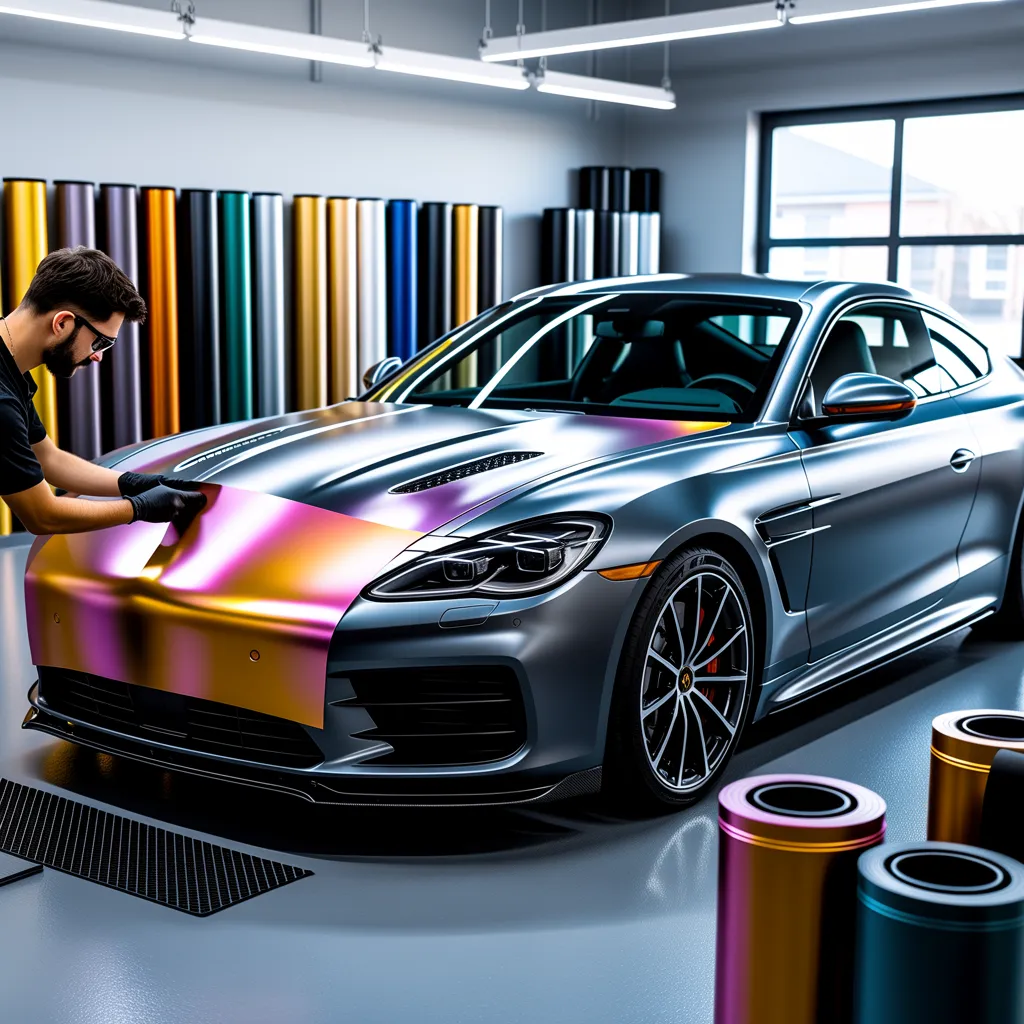
Car wrapping is a revolutionary process that involves applying a resilient vinyl film over a vehicle's original paint. This method allows for a wide range of colors, textures, and finishes, enabling owners to customize their vehicles without the permanence of traditional paint. First, a comprehensive cleaning of the vehicle’s surface is performed to ensure proper adhesion. Next, the vinyl film is carefully measured and cut to fit each section of the car. Experienced technicians then apply the film, employing specialized tools to smooth away air bubbles and secure a seamless finish. The wrapping material is crafted to be flexible, enabling it to mold to the vehicle’s curves. After application, the film can last for multiple years with proper maintenance, offering a protective shield against scratches and UV rays. Ultimately, car wrapping provides an innovative solution for both appearance improvement and vehicle protection.
Advantages of Car Wrapping Versus Standard Painting
Going with car wrapping rather than traditional painting provides countless advantages that draw vehicle owners. One significant advantage is the flexibility of design; wraps can easily be adapted with colors, patterns, and textures, allowing for original personalization. Additionally, car wraps can be applied in a segment of the time it takes to paint a vehicle, minimizing downtime for owners.
Long-lasting performance is an important benefit; superior wraps withstand UV rays, scratches, and environmental elements, often remaining durable for several years with visit now proper care. In contrast, traditional paint can chip and fade more easily.
Moreover, car wrapping provides reversibility, permitting owners to transform their vehicle's visual appeal without permanently damaging the original paint, which can help maintain resale value. Finally, wraps are typically more budget-friendly than a full paint job, making them an desirable option for those seeking to transform their vehicle's visual style without exceeding their budget.
Categories of Vehicle Wraps Available for Your Vehicle
When evaluating car wraps, numerous options are offered to match individual preferences. Vinyl wraps provide a range of hues and finishes, while specialty wraps deliver distinctive designs for a impressive look. Additionally, the selection between flat and shiny finishes can substantially impact the overall aesthetic of the vehicle.
Vinyl Overlay Varieties
Vinyl wrap solutions for vehicle customization are diverse, each meeting different visual preferences and functional needs. Standard wraps typicaly offer a glossy or matte finish, giving a smooth appearance. Satin wraps blend both, creating a soft sheen that enhances the vehicle's lines. Those looking for a special look can choose textured wraps like carbon fiber or brushed metal, which replicate luxury materials and add depth and sophistication. Color-changing wraps offer versatility by letting vehicles shift hues depending on the light angle. Solid color wraps provide a bold appearance, while digital prints enable detailed patterns and graphics. All options improve the vehicle’s appearance and preserve the original paint.
Specialty Wrap Alternatives
Beyond standard vinyl options, custom wraps provide distinctive options for vehicle customization that suit personal preferences and particular needs. These wraps feature chrome finishes, which deliver a reflective, glossy appearance, ideal for those wanting a striking look. Carbon fiber wraps replicate the appearance of real carbon fiber, adding a sporty touch while remaining light and long-lasting. Additionally, textured coverings, such as brushed metal or leather finishes, enable for a sensory feel that sets a vehicle apart. For promotional needs, bespoke graphic coverings allow companies to showcase their branding effectively. Each specialty wrap not only enhances the car's appearance but also safeguards its factory finish, rendering them a practical choice for numerous automotive fans.
Matte versus Gloss Surface
How do matte or gloss finishes vary in car wrapping? Matte surfaces provide a non-reflective, subtle look, attracting those seeking a sophisticated, modern aesthetic. This texture can conceal flaws and is less prone to showing fingerprints, rendering it popular among automobile lovers. Yet, matte wraps demand specific maintenance to preserve their appearance and can be more susceptible to scratches.
Conversely, gloss finishes provide a shiny, vibrant look, enhancing colors and giving vehicles a refined, striking effect. This type reflects light, making it ideal for showcasing intricate designs or logos. While gloss wraps are simpler to care for, they may reveal blemishes more readily. Finally, the choice between matte and shiny options depends on personal preferences and desired aesthetics.
Car Wrapping Setup Overview: What to Look For
Car wrapping installation transforms a vehicle's appearance with accuracy and attention to detail. Initially, the vehicle is thoroughly cleaned to remove any dust, oils, or particles that could affect adhesion. Technicians then inspect the surface for flaws, ensuring a smooth application.
Once completed, the chosen vinyl wrap is carefully measured and cut to fit the vehicle's contours. During application, the wrap is placed using professional equipment to avoid air bubbles and wrinkles. This process demands attention to detail, as each section must match perfectly with adjacent parts to create a seamless finish.
After the wrap is applied, surplus material is removed, and the edges are securely tucked in or sealed. A final inspection is conducted to ensure that each section complies with quality benchmarks. This meticulous approach delivers an impressive overhaul that upgrades the car's visual appeal while delivering a shielding barrier.
Maintenance Tips for Keeping Your Car Wrap Looking Fresh
Caring for a car wrap demands consistent attention to ensure it remains bright and like new. Routine washing is essential; hand washing with mild soap and a soft cloth prevents scratches that could harm the vinyl. It is best to avoid automatic car washes that use brushes, because they can produce friction and cause peeling.
Additionally, implementing UV protection can protect the wrap from sun damage, keeping its colors intact. Leaving in shaded zones or putting on car covers can further cut down contact with UV radiation damage. When dealing with tough spots, a mild solvent purpose-built for vinyl wrap cleaning may be used, but test it on a small area first is recommended.
Consistent assessments for any signs of wear, such as lifting edges or bubbles, allow for immediate attention, confirming the wrap holds strong. Following these maintenance tips will dramatically extend the lifespan and appearance of a car wrap, holding it appearing fresh and new.
What Methods Can You Use to Find Trusted Car Wrapping Options in Your Area?
Pinpointing trusted car wrapping services can significantly boost the longevity of a car's wrap. To identify reputable providers, individuals should start with checking digital ratings and ratings on networks like Google, Yelp, or social media. These platforms often display customer testimonials that illustrate quality of service, professionalism, and craftsmanship.
Moreover, gathering suggestions from personal connections who have previously engaged car wrapping services can offer valuable insights. It is also worthwhile to check out local auto shows or vehicle clubs, where professionals often exhibit their expertise.
Once a shortlist is established, prospective clients should request quotes and samples to evaluate the standard of past work. Having direct conversations with service providers allows for questions about their expertise, materials used, and warranties offered. In the end, thorough research and word-of-mouth recommendations are essential for finding trustworthy car wrapping services that meet particular requirements.
Comprehending Budget Components for Vehicle Wraps
Understanding the cost elements for car wrapping demands several important considerations. Material quality greatly influences the total cost, while the complexity of the design can increase the expenditure. Additionally, installation labor expenses must be taken into account, as they differ based on the complexities of the wrap process.
Material Quality Counts
The grade of substance is crucial in establishing the overall price of car wrapping solutions. Premium films typically include advanced features like better durability, UV resistance, and simple installation. These materials enhance visual appeal while also prolonging the life of the wrap, minimizing frequent replacements. By comparison, budget options may reduce upfront expenses yet frequently lead to quicker wear and fading, creating supplementary costs throughout the years. Moreover, premium materials require expert application methods, impacting labor costs too. As a result, material selection greatly influences both initial expenditure and future worth, making it essential for vehicle owners contemplating a wrap.
Layout Complication Aspects
How does the complexity of design affect the overall cost of car wrapping services? The detail of a vehicle's design significantly impacts pricing. Simple designs, with solid colors or basic graphics, usually cost less due to less material waste and simpler installation. In contrast, complex designs with intricate patterns, gradients, or multiple colors require additional time and skilled labor, thereby increasing expenses. Additionally, the need for precise alignment and cutting can further elevate costs. Clients should also consider the potential for additional design revisions, as complicated images may require multiple drafts. Ultimately, understanding the relationship between design complexity and cost is crucial for clients seeking to attain their desired aesthetic while controlling their budget effectively.
Labor Fees for Installation
Installation labor costs represent a significant portion of the total costs associated with car wrapping services. These costs can vary greatly based on several factors, including the complexity of the design, the size of the vehicle, and the skill level of the installers. Specifically, complex designs or wraps that involve additional trimming and adjustments call for more time and expertise, which leads to elevated labor charges. Also, bigger vehicles generally have greater labor costs owing to the larger surface area and the extended installation time needed. Prospective clients should obtain detailed estimates that itemize labor costs and factor them in when planning their car wrapping budget. Knowing these factors leads to well-informed decisions.
Regularly Requested Topics
What Length of Time Should You Expect for a Car Wrap's Longevity?
A car wrap typically lasts between five to seven years, influenced by factors such as environmental conditions, maintenance, and application quality. Proper care can extend its lifespan, sustaining appearance and effectiveness over time.
Can I Take off a Car Wrap By myself?
Yes, a car wrap is able to be removed by an person, although it requires precise handling to protect against damage to the vehicle's paint. Heat guns or adhesive removers may assist in the process for more straightforward removal.
Will a Car Wrap damage My Vehicle's Paint?
A car wrap usually won't damage the car's finish if put on and removed correctly. Still, faulty application or extended exposure can cause adhesive issues, potentially affecting the underlying paint when stripped off.
Are warranty options available for vehicle wraps?
Yes, several car wrap firms offer warranty selections that typically address defects in raw materials and fitting. Customers need to inquire about specific terms, like length of coverage and coverage, to guarantee adequate protection for their monetary investment.
Is wrapping a rented vehicle allowed?
Yes, a leased vehicle can be wrapped, but it's critical to examine the lease agreement for any constraints. Proper extraction is important to avoid deterioration and confirm compliance with return conditions set by the leasing company.